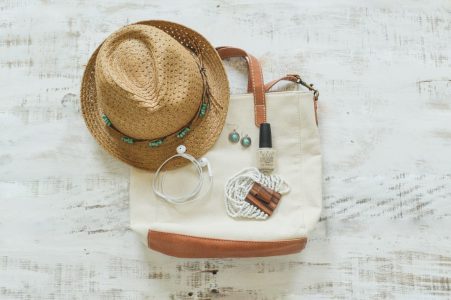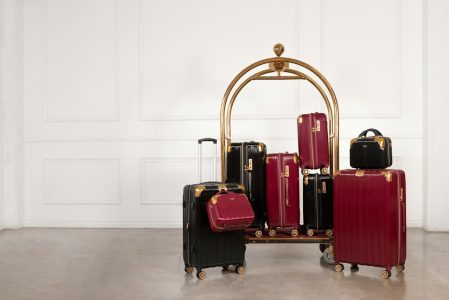
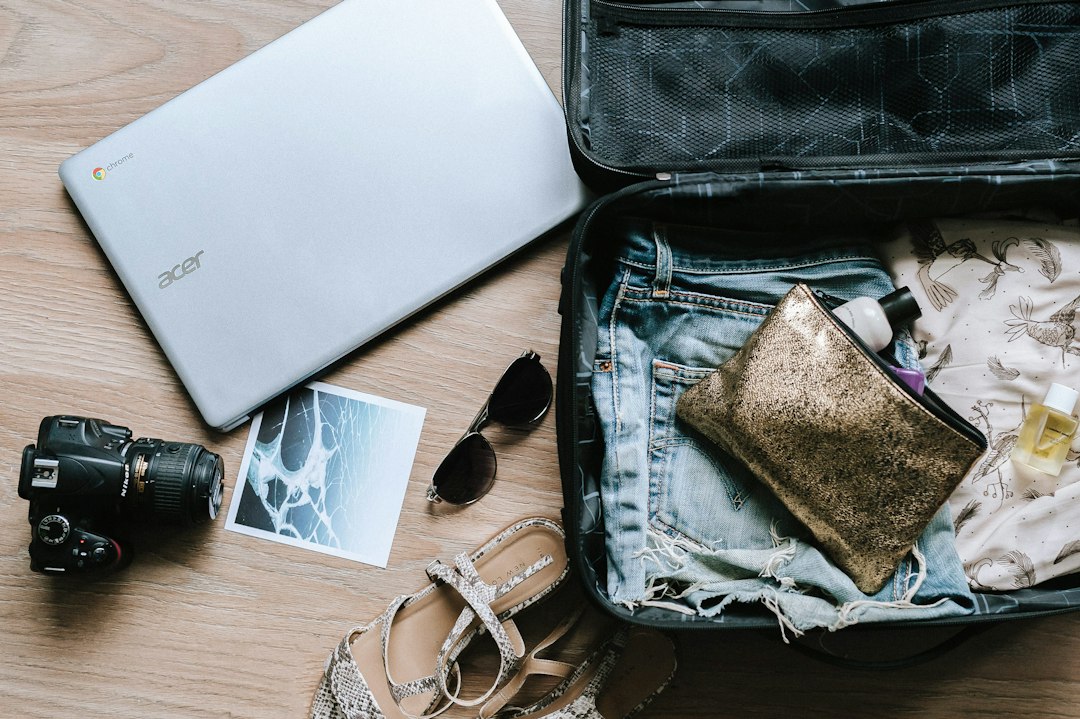
In the ever-evolving world of travel, the importance of having the right gear cannot be overstated. Travel bags have transitioned from mere utility items to essential fashion statements that reflect personal style and functionality. With the rise of e-commerce platforms like nomadbasic.com, consumers now have access to a diverse range of travel bags that cater to both aesthetic appeal and practical needs. This article delves into the current trends in travel bags, highlighting how they blend style with functionality, and the implications for consumers and retailers alike.
The Rise of Fashionable Travel Bags
Recent market statistics indicate a significant shift in consumer preferences, with 67% of travelers prioritizing style alongside functionality when selecting travel bags. This trend is not merely a fleeting phase; it reflects a broader cultural movement where personal expression is increasingly valued in travel gear. Brands are responding by designing bags that not only serve practical purposes but also resonate with the latest fashion trends, making them desirable for everyday use as well.
Moreover, the global travel bag market is projected to reach $20 billion by 2025, driven by the growing demand for stylish yet functional products. As more consumers seek bags that can transition seamlessly from the airport to social settings, retailers are challenged to innovate. Nomadbasic.com exemplifies this trend by offering a curated selection of bags that cater to the modern traveler’s needs, combining durability with chic designs.
When evaluating travel bags, functionality remains a critical factor. Features such as spacious compartments, lightweight materials, and durability are essential for travelers who prioritize convenience. However, the modern consumer also desires bags that reflect their personal style. This dual demand has led to the emergence of multifunctional bags that serve various purposes, from weekend getaways to business trips.
Nomadbasic.com has tapped into this market by providing bags that are not only practical but also visually appealing. For instance, their range includes backpacks that feature sleek designs and innovative storage solutions, appealing to both fashion-conscious individuals and those who value practicality. This approach not only enhances the user experience but also encourages consumers to invest in quality products that align with their lifestyle.
Consumer Behavior and Purchasing Trends
Understanding consumer behavior is crucial for retailers in the travel bag market. Recent surveys reveal that 54% of consumers are willing to pay more for a travel bag that offers both style and functionality. This willingness to invest in quality products highlights a shift in purchasing behavior, where consumers prioritize long-term value over short-term savings. As a result, brands that can effectively communicate the benefits of their products are likely to gain a competitive edge.
Furthermore, the rise of social media has significantly influenced purchasing decisions. Consumers are increasingly turning to platforms like Instagram and Pinterest for inspiration, leading to a surge in demand for visually appealing travel bags. Nomadbasic.com leverages this trend by showcasing their products through engaging content that resonates with their target audience, ultimately driving sales and brand loyalty.
The Future of Travel Bags
As the travel industry continues to evolve, so too will the design and functionality of travel bags. Sustainability is becoming a key consideration for consumers, with 73% expressing a preference for brands that prioritize eco-friendly materials and practices. This shift presents an opportunity for retailers to innovate and differentiate themselves in a crowded market.
Nomadbasic.com is already taking steps to address this trend by incorporating sustainable materials into their product lines. By aligning their offerings with consumer values, they not only enhance their brand image but also contribute to a more sustainable future for the travel industry. Key Insight: As sustainability becomes a priority for consumers, brands that adapt to these changing preferences will likely see increased loyalty and sales.